Agile Software Development
End-to-end product delivery through iterative sprints, from discovery and backlog definition through design, development, testing, and deployment — built around your product goals and refined every cycle.

AGILE PRODUCT DEVELOPMENT
We build products the way products actually get built — in short, working cycles, with feedback shaping direction at every step. As an agile software development company, Triazine Software delivers features you can see and use every sprint, so your product evolves alongside real user feedback rather than a fixed plan set months in advance.
A traditional development plan locks in requirements before a single line of code gets written — and by the time the product ships, the market, the users, or the business priorities have often moved on. Products built this way arrive late, miss what users actually needed, or both. As a dedicated agile development company, Triazine Software builds through short, iterative cycles that put working software in front of stakeholders every sprint, so direction adjusts based on real feedback rather than assumptions made at the start. This is agile product development built for enterprise products that need to stay responsive as requirements evolve.
A waterfall plan defines every requirement upfront, builds for months, and only shows working software at the very end — by which point course-correcting means reworking large parts of what's already built. Agile product development takes a different path: work breaks into short sprints, each one delivering a working, testable increment of the product, reviewed and adjusted before the next sprint begins.
That's what separates a genuine agile development process from a project labelled "agile" while still running on a fixed scope and a fixed deadline. Real agile product development process discipline means priorities can shift between sprints, stakeholders see working software regularly rather than only at launch, and the backlog stays a living document — reordered as the business learns what actually matters most.
It's built to keep direction responsive to what's actually being learned, while keeping delivery predictable through consistent sprint cadence, clear ceremonies, and transparent progress tracking. So speed and structure work together rather than trading off against each other.
Business Outcomes

Stakeholders experience real, functioning features every two to three weeks, creating regular opportunities to validate direction and keep development aligned with business goals.

Priorities can shift between sprints as the market, users, or business needs change, keeping the product aligned to what matters most at each stage rather than a plan set months earlier.

Issues, misaligned assumptions, and usability gaps surface early — during a sprint review, not after months of development — keeping rework contained and manageable.

Sprint velocity, burndown, and backlog health are visible throughout, giving stakeholders a clear, current view of progress instead of a status update built from memory.
End-to-end product delivery through iterative sprints, from discovery and backlog definition through design, development, testing, and deployment — built around your product goals and refined every cycle.
Structured sprint cycles with defined ceremonies — sprint planning, daily stand-ups, sprint review, and retrospective — giving your team a consistent, predictable rhythm for an agile development process that scales with product complexity.
Structured discovery work that turns business goals into a prioritised, well-defined backlog — ensuring every sprint delivers the features that matter most, rather than whatever was easiest to build next.
Minimum viable products built and validated fast, with real user feedback shaping each subsequent iteration — so investment scales with proven demand rather than a full build based on assumptions.
Dedicated development, QA, and design resources working as a single integrated team throughout the engagement — reducing handoff delays and keeping the full team aligned to the same sprint goals.
Go-live is the starting point, with ongoing sprints carrying the product forward. We continue iterating post-launch — refining features, fixing issues, and building new capability — as user feedback and business needs evolve.
We run our agile product development process on modern, enterprise-proven collaboration and engineering tools — backed by delivery discipline proven across 11+ years of mission-critical software delivery.







Define the product vision, target users, and the business outcomes the product needs to achieve.
Translate the vision into a prioritised, well-defined product backlog ready for sprint planning.
Define the scope, goals, and deliverables for each upcoming sprint with the full team.
Build, test, and integrate features within each short, focused sprint cycle.
Demonstrate working software to stakeholders and gather direct feedback at the end of every sprint.
Reflect on what worked and what needs adjustment, refining team processes sprint over sprint.
Release completed increments into production on a consistent, predictable cadence.
Keep building on live feedback and evolving requirements, feeding learnings back into the backlog.
Triazine Software helps enterprises move from rigid, fixed-scope development to products that evolve alongside real user feedback. Our approach to agile product development combines proven sprint discipline with the engineering depth and domain expertise complex enterprise products require.
Every engagement runs on real sprint cadence, real ceremonies, and a backlog that stays genuinely responsive to change — rather than a fixed-scope project relabelled as agile.
As an agile software development company, we prioritise shipping functional, testable increments every cycle, giving stakeholders continuous visibility into real progress.
Every agile product development process starts with structured discovery, so sprint priorities reflect genuine business impact rather than whichever feature was easiest to build first.
Dedicated development, QA, and design resources work as one integrated team throughout the engagement, matched to the specific complexity your product carries.
Velocity, burndown, and backlog health stay visible throughout the engagement, giving your team a clear, current view of delivery at every stage.
CMMI Level 3-certified process discipline underpins every agile development company engagement, regardless of product size or complexity.
Industry-specific agile product development engineered to move your business forward. Backed by deep cross-industry expertise and an AI-driven approach, we build products tailored to your unique operational challenges.
Utility platforms enabling customer engagement, safety, compliance and field execution across energy ecosystems.
Enterprise commercial technology powering nationwide sales and distribution across 1M+ retail touchpoints.
Patient-first platforms that digitize care journeys, flag high-risk cases early and improve outcomes.
EHS, ESG and safety compliance platforms for permit-to-work, incidents and operational excellence.
Citizen-centric platforms digitizing government workflows with visibility, automation and accountability.
Waterfall development defines every requirement upfront and only shows working software at the end. Agile product development breaks work into short sprints, each delivering a working increment reviewed and adjusted continuously, keeping direction responsive to real feedback.
A genuine process runs on real sprint cadence, structured ceremonies, and a backlog that stays truly responsive to change. A project labelled agile often still runs on a fixed scope and fixed deadline underneath the surface.
Every sprint — typically every two to three weeks — with a sprint review demonstrating real, functioning features and gathering direct stakeholder feedback.
Yes. That responsiveness is core to agile product development — the backlog stays a living document, reordered between sprints as business priorities, user feedback, or market conditions evolve.
A cross-functional team spanning development, QA, and design, working as one integrated unit throughout the engagement, alongside a product owner aligning priorities to business goals.
Both. We build and validate MVPs fast where speed to market matters, and scale into full product builds through continued iteration once demand is proven.
Sprints typically run two to three weeks, including sprint planning, daily stand-ups, development and testing, a sprint review with stakeholders, and a retrospective before the next cycle begins.
Testing is integrated into every sprint rather than saved for the end — automated and manual QA run alongside development, so quality gets validated continuously.
Iteration continues post-launch — refining features, addressing issues, and building new capability as user feedback and business needs evolve, on the same sprint cadence used during initial development.
Scope and cost depend on product complexity, team size, and engagement length — sized during discovery and refined as the backlog evolves through delivery.






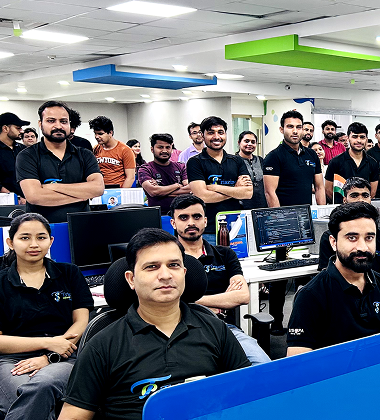
How sprint-based delivery keeps products aligned with real user feedback instead of a plan set months earlier.
Read Insight