Fintech Software Development: Process, Features and Cost Guide
Fintech software development has become one of the fastest-growing areas of enterprise technology. McKinsey projects fintech revenues to grow about 15% a year, almost three times the roughly 6% expected for traditional banking (McKinsey). In the U.S., the infrastructure for that growth is expanding fast: more than 1,800 banks and credit unions have joined the Federal Reserve's FedNow instant payments service, which settled more than $853 billion in 2025 (Digital Transactions).
Regulation is evolving just as quickly. The GENIUS Act, signed on July 18, 2025, created the first federal framework for payment stablecoins (White House), PCI DSS 4.0.1's future-dated requirements took effect on March 31, 2025, and the CFPB's open banking rule under Section 1033 is being reconsidered. For banks, credit unions, fintech startups and enterprises embedding financial services, success depends on building software that is secure, compliant and ready to scale from day one.
This guide walks you through:
- The main types of fintech software and their use cases
- Must-have and advanced features
- The recommended tech stack and architecture
- U.S. compliance and security requirements
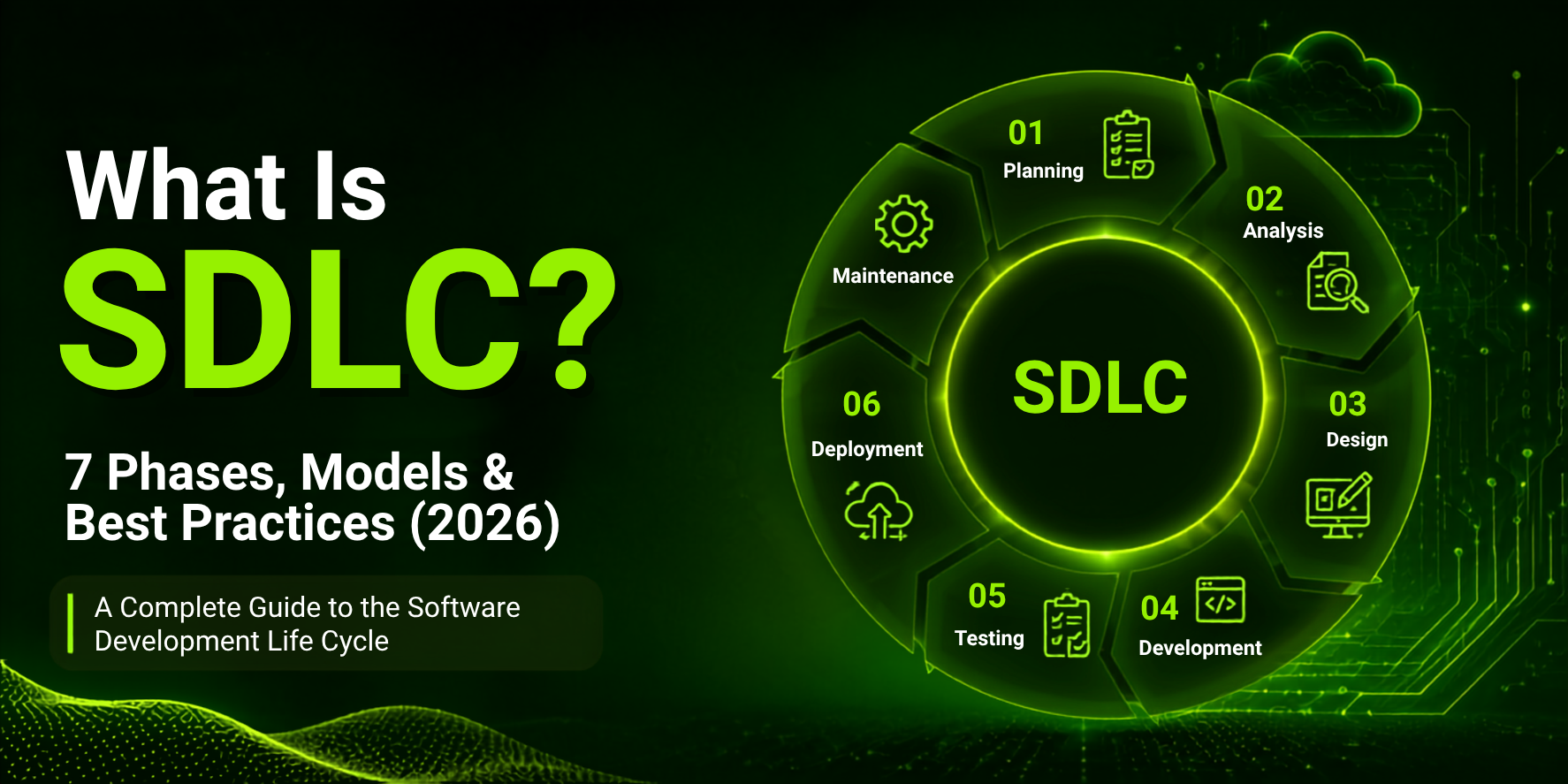
- A proven 8-step fintech software development process
- Realistic cost ranges, cost drivers and ways to optimize budget
- How to choose a fintech software development company
What Is Fintech Software Development?
Fintech software development is the design, engineering, testing and operation of digital products that deliver financial services, such as payments, lending, banking, investing, insurance and financial management. It combines modern software engineering with deep knowledge of financial regulation, security and transaction processing.
Custom fintech software development means building a solution tailored to your business model, customers, risk appetite and integrations, rather than adapting an off-the-shelf product. It gives organizations full ownership of their roadmap, data and competitive differentiation.
Types of Fintech Software
| Category | Examples | Typical users |
| Digital banking | Mobile and web banking apps, neobank platforms, account opening | Banks, credit unions, neobanks |
| Payments | Payment gateways, P2P apps, merchant portals, real-time payments, payment orchestration | Payment companies, retailers, marketplaces |
| Lending | Loan origination, underwriting, servicing, BNPL, mortgage platforms | Lenders, banks, fintech startups |
| Wealth and investment | Robo-advisors, trading apps, portfolio management | Brokerages, wealth managers, RIAs |
| Insurtech | Policy administration, digital claims, usage-based insurance | Insurers, MGAs, brokers |
| Personal finance | Budgeting apps, savings tools, credit monitoring | Consumers, financial wellness providers |
| Corporate finance | Expense management, AP automation, treasury, invoicing | CFO teams, SMBs, enterprises |
| Regtech | KYC, AML monitoring, fraud detection, regulatory reporting | Compliance teams across financial services |
| Embedded finance and BaaS | Banking-as-a-Service APIs, embedded payments and cards | SaaS platforms, retailers, marketplaces |
| Digital assets | Crypto wallets, stablecoin rails, tokenization platforms | Banks, exchanges, asset managers |
Each category carries its own regulatory obligations and integration patterns, which is why experience in financial software development services matters from the first architecture decision.
Must-Have Features of Fintech Software
Core Features
| Feature | Why it matters |
| Secure onboarding with digital KYC | Identity verification, document scanning and liveness checks open accounts in minutes |
| Multi-factor and biometric authentication | Passkeys, Face ID and fingerprint sign-in protect accounts with a smooth experience |
| Account dashboard | A real-time view of balances, transactions and insights |
| Payments and transfers | ACH, cards, wires, RTP and FedNow instant payments |
| Transaction history and search | Clear records with smart categorization |
| Notifications and alerts | Real-time push, SMS and email alerts for transactions and security events |
| Customer support | In-app chat, AI assistants and secure messaging |
| Admin and back office | Role-based tools for operations, risk and compliance teams |
| Reporting and audit trails | Immutable logs for regulators and auditors |
Advanced Features That Differentiate
- AI-powered fraud detection: machine learning models that score transactions in real time
- AI credit decisioning: alternative data and explainable models for faster, fairer lending decisions
- Generative AI assistants: conversational banking, financial coaching and agent copilots. Explore our conversational AI services
- Intelligent document processing: automatic extraction from pay stubs, tax returns and bank statements with AI-powered document processing
- Open banking connectivity: secure account aggregation and data sharing through APIs
- Personalized insights: spending analysis, savings goals and tailored product offers using predictive analytics
- Embedded finance APIs: cards, accounts and payments offered inside partner platforms
- Digital asset capabilities: wallets, stablecoin payments and tokenization with blockchain development
For more on AI in customer-facing finance, read how artificial intelligence in mobile banking is a game changer.
Recommended Tech Stack and Architecture
Architecture Principles
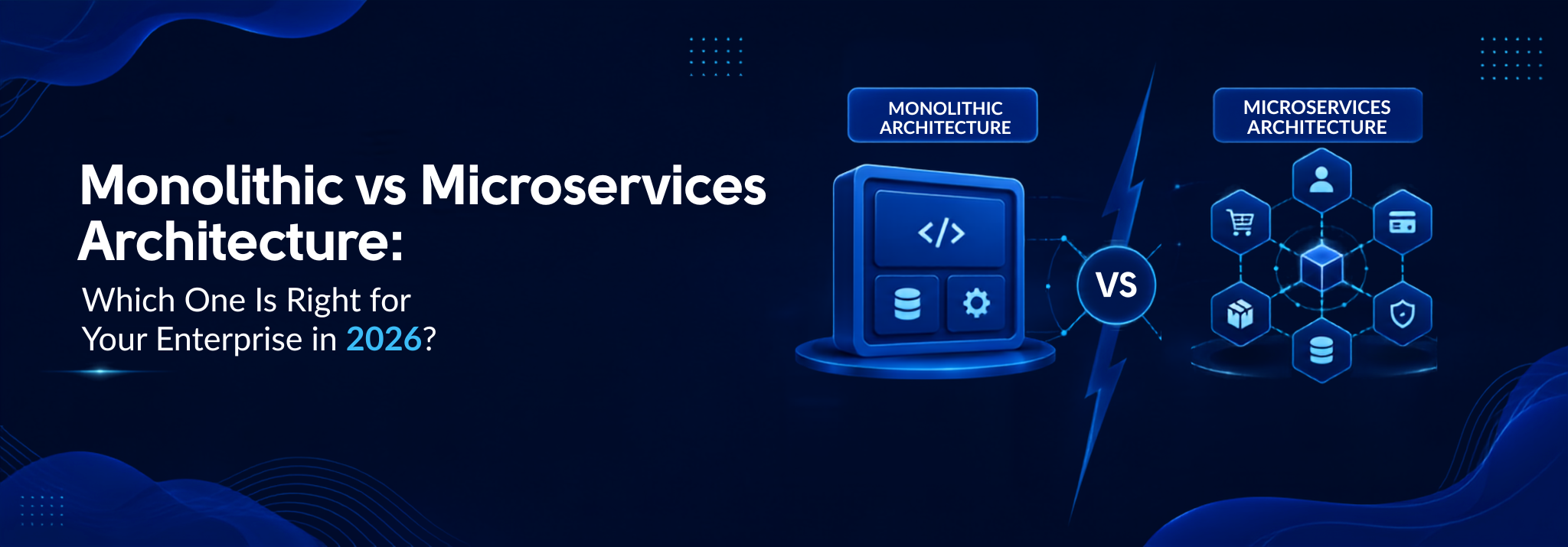
- Microservices and domain-driven design so payments, accounts, lending and compliance scale and evolve independently
- API-first design for partners, open banking and embedded finance
- Event-driven processing with message streaming for real-time transactions and fraud scoring
- Cloud-native infrastructure with containers, autoscaling and multi-region resilience
- Zero-trust security across every service, user and integration
- Ledger accuracy with double-entry accounting, idempotent APIs and strong consistency for money movement
Typical Fintech Tech Stack
| Layer | Common technologies |
| Front end (web) | React, Next.js, Angular, TypeScript |
| Mobile | Swift, Kotlin, Flutter, React Native |
| Back end | Java (Spring Boot), .NET, Node.js, Go, Python |
| Databases | PostgreSQL, Oracle, SQL Server, MongoDB, Redis |
| Streaming and messaging | Apache Kafka, RabbitMQ, AWS Kinesis |
| Cloud | AWS, Microsoft Azure, Google Cloud |
| Containers and DevOps | Docker, Kubernetes, Terraform, GitHub Actions, Jenkins |
| AI and data | Python, TensorFlow, PyTorch, Databricks, Snowflake |
| Security | HashiCorp Vault, HSMs, AWS KMS, Azure Key Vault, SIEM platforms |
| Fintech integrations | Plaid, Stripe, Marqeta, Galileo, Alloy, Socure, core banking APIs |
The right stack depends on scale, existing systems and team skills. Many U.S. institutions modernize step by step, wrapping core banking systems with APIs. Learn more in our legacy application modernization guide.
U.S. Compliance and Security Requirements
Compliance shapes every layer of fintech software development. The right requirements depend on your products, customers and licensing model.
| Regulation or standard | Applies to | What it requires |
| PCI DSS 4.0.1 | Anyone storing, processing or transmitting card data | Secure cardholder data environments; future-dated requirements effective March 31, 2025 |
| GLBA (Safeguards Rule) | Financial institutions and many fintechs | Information security programs and privacy notices |
| Bank Secrecy Act and AML | Money transmitters, banks, stablecoin issuers | KYC, customer identification, transaction monitoring, SAR filing |
| OFAC sanctions | All U.S. persons and businesses | Screening against sanctions lists |
| SOC 2 | Service providers and B2B fintechs | Audited controls for security, availability and confidentiality |
| SOX | Public companies | Controls over financial reporting |
| FCRA and ECOA | Lenders and credit decisioning | Fair, explainable credit decisions and adverse action notices |
| Reg E and Reg Z | Electronic payments and consumer credit | Error resolution and clear disclosures |
| CFPB Section 1033 | Data providers and third parties | Consumer-permissioned data sharing; rule currently under reconsideration |
| GENIUS Act | Payment stablecoin issuers | Full reserve backing, monthly disclosures and AML programs |
| State licensing and privacy | Money transmitters, lenders | State money transmitter licenses, NYDFS Part 500, CCPA and other state privacy laws |
Security Best Practices
- Encrypt data in transit (TLS 1.3) and at rest (AES-256) with managed keys
- Tokenize card and account numbers
- Enforce strong customer authentication and least-privilege access
- Build secure SDLC practices with DevSecOps automation
- Run regular vulnerability assessment and penetration testing (VAPT)
- Monitor continuously with SIEM and real-time fraud analytics
- Prepare incident response and business continuity plans
- Assess third-party vendors and API partners regularly
This overview is for planning purposes. Work with qualified legal and compliance advisors to confirm the obligations for your specific products.
The Fintech Software Development Process: 8 Steps
Step 1: Discovery and Business Analysis
Define the opportunity, target users, revenue model and success metrics. Map customer journeys, competitive positioning and the regulatory perimeter. Deliverables: product vision, prioritized backlog, high-level architecture and budget estimate. Typical duration: 2 to 6 weeks.
Step 2: Compliance and Risk Planning
Identify licensing paths (bank partnership, BaaS provider or direct license), applicable regulations and security controls. Build compliance requirements into user stories from the start.
Step 3: UX and UI Design
Design intuitive, accessible and trustworthy experiences for onboarding, payments and dashboards. Prototype and test with real users. Our UI/UX design team specializes in financial experiences that convert.
Step 4: Architecture and Technology Selection
Choose cloud, microservices, data and integration patterns. Select partners for KYC, payments, card issuing and core banking.
Step 5: Agile Development
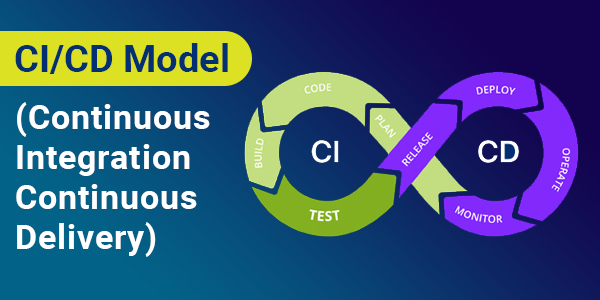
Build in two-week sprints with continuous integration, code reviews and automated security scanning. Develop the MVP first, then expand features based on feedback.
Step 6: Integration
Connect with payment networks, banking partners, credit bureaus, identity providers, accounting systems and CRMs through secure APIs.
Step 7: Testing and Quality Assurance
Fintech QA covers functional, performance, security, compliance and user acceptance testing. Load-test for peak transaction volumes and run penetration tests before launch.
Step 8: Launch, Monitoring and Continuous Improvement
Release in phases, monitor uptime, transactions and fraud signals around the clock, and ship improvements in regular releases. Ongoing IT support and maintenance keeps the platform secure and current.
| Phase | Typical timeline |
| Discovery and design | 1 to 2 months |
| MVP development | 3 to 6 months |
| Full product launch | 6 to 12 months |
| Enterprise platform or core modernization | 12 to 24 months |
How Much Does Fintech Software Development Cost?
Fintech software development typically costs from about $50,000 for a focused MVP to $1,000,000 or more for an enterprise-grade platform. The ranges below are typical market estimates for U.S. projects; your final budget depends on scope, integrations, compliance and team model.
| Solution type | MVP estimate | Full product estimate |
| Personal finance or budgeting app | $50,000 to $100,000 | $120,000 to $250,000 |
| P2P payments or digital wallet | $80,000 to $150,000 | $200,000 to $500,000 |
| Lending or loan origination platform | $100,000 to $200,000 | $250,000 to $600,000 |
| Digital banking or neobank app | $150,000 to $300,000 | $400,000 to $1,000,000+ |
| Trading or investment platform | $120,000 to $250,000 | $300,000 to $800,000+ |
| Insurtech platform | $100,000 to $200,000 | $250,000 to $700,000 |
| Enterprise core modernization | Scoped by assessment | $1,000,000+ |
Key Cost Drivers
- Product complexity: number of features, user roles and workflows
- Platforms: web, iOS, Android or all three
- Integrations: payment processors, banking cores, KYC, credit bureaus and accounting systems
- Compliance scope: PCI DSS, SOC 2, state licensing and audit preparation
- Security requirements: encryption, HSMs, penetration testing and continuous monitoring
- AI and data capabilities: fraud models, credit scoring and analytics
- Team location and engagement model: onshore, offshore or blended teams
- Ongoing costs: cloud hosting, third-party APIs, maintenance and support, often 15% to 25% of the build cost each year
Smart Ways to Optimize Budget
- Start with an MVP that proves the core value proposition
- Use proven fintech partners for KYC, payments and card issuing instead of building every component
- Adopt cross-platform mobile frameworks such as Flutter or React Native where they fit
- Build compliance in early to keep delivery fast and efficient
- Choose a blended delivery model that combines U.S.-based leadership with global engineering teams
- Automate testing and deployment to speed up every release
How to Choose a Fintech Software Development Company
The right fintech software development company combines engineering strength with financial domain fluency. Evaluate partners on these criteria:
| Criterion | What to look for |
| Domain expertise | Delivered projects in payments, lending, banking or insurance |
| Compliance knowledge | Experience with PCI DSS, SOC 2, GLBA, AML and state regulations |
| Security maturity | ISO 27001 practices, DevSecOps and regular penetration testing |
| Technical depth | Cloud-native, microservices, AI and data engineering skills |
| Integration experience | Plaid, Stripe, card issuers, core banking and credit bureaus |
| Delivery model | Transparent agile process, clear milestones and reporting |
| Engagement flexibility | Fixed-scope projects, dedicated teams and staff augmentation |
| U.S. presence | Local leadership for close collaboration with your stakeholders |
| Proven results | Case studies, references and long-term client relationships |
Questions to Ask Before Signing
- Which fintech products like ours have you built, and what results did they deliver?
- How do you build compliance and security into each sprint?
- Who owns the source code and intellectual property?
- How do you handle integrations with banking partners and payment processors?
- What does post-launch support include?
Fintech Software Trends Shaping 2027
- Agentic AI in finance: AI agents that handle disputes, reconcile accounts and support advisors
- Instant payments everywhere: FedNow and RTP adoption driving real-time payouts and request-for-payment use cases
- Stablecoins and tokenization: the GENIUS Act framework accelerating regulated digital dollar payments
- Embedded finance: banking, cards and lending built directly into SaaS and commerce platforms
- Open finance: permissioned data sharing that powers better underwriting and personalized offers
- Core modernization: banks moving from legacy cores to cloud-native, API-driven platforms
- Passkeys and biometric security: phishing-resistant authentication becoming standard
Partner with Triazine for Fintech Software Development
Building fintech software takes a partner who understands both technology and the realities of financial services. Triazine helps U.S. banks, credit unions, fintech startups and enterprises, through its U.S. entity Triazine Software LLC, design, build and scale secure financial products.
- Mobile app development: banking, payments and wallet apps for iOS and Android
- Website and application development: customer portals, lending platforms and back-office systems
- Blockchain app development: digital wallets, tokenization and stablecoin-ready solutions
- Predictive analytics and conversational AI: fraud insights, credit intelligence and AI assistants
- DevSecOps: security built into every release
- Legacy application modernization: API-enabled modernization of core financial systems
Explore our financial technology work in the online tax filing platform and vendor bill management system case studies.
Frequently Asked Questions
What is fintech software development?
Fintech software development is the process of designing, building, testing and maintaining digital products that deliver financial services, such as banking, payments, lending, investing and insurance, with strong security and regulatory compliance.
How much does fintech software development cost?
A focused fintech MVP typically starts around $50,000 to $150,000, while full-featured digital banking, lending or trading platforms often range from $250,000 to $1,000,000 or more, depending on features, integrations and compliance scope.
How long does it take to build fintech software?
An MVP usually takes 3 to 6 months, a full product launch 6 to 12 months and an enterprise platform or core modernization 12 to 24 months.
What do fintech software development services include?
Fintech software development services typically include consulting and discovery, UX and UI design, custom development, API integration, compliance support, security testing, cloud deployment and ongoing maintenance.
What should I look for in a financial software development company?
Look for a financial software development company with proven fintech projects, compliance expertise, mature security practices, strong integration experience, flexible engagement models and U.S. presence.
Which regulations apply to fintech software in the U.S.?
Common requirements include PCI DSS, GLBA, the Bank Secrecy Act and AML rules, OFAC screening, SOC 2, FCRA, ECOA, Reg E, Reg Z, state money transmitter licensing and state privacy laws. Stablecoin issuers also follow the GENIUS Act.
What are the benefits of custom fintech software development?
Custom fintech software development delivers a product tailored to your business model, full ownership of code and data, flexible integrations, stronger differentiation and the freedom to scale features on your own roadmap.
Which technologies are best for fintech apps?
Popular choices include Java, .NET, Node.js and Go for the back end; React and Angular for web; Swift, Kotlin and Flutter for mobile; PostgreSQL and Kafka for data and streaming; and AWS or Azure for cloud infrastructure.
Conclusion
Fintech software development offers U.S. organizations a powerful path to growth, from instant payments and embedded finance to AI-driven lending and digital assets. Success comes from pairing a clear product strategy with security by design, compliance from day one and an engineering partner who knows financial services.
Ready to build your next financial product? Talk to Triazine's fintech experts today.






























































 Get free quote